CHANGE BECOMES US
Rightist politics have swept the world in recent years, and elements of its more extremist shades have transitioned from being beyond the pale to mainstream acceptance.
Conservatism, however, even from an objective standpoint, is just plain unnatural and wrong.
How so?
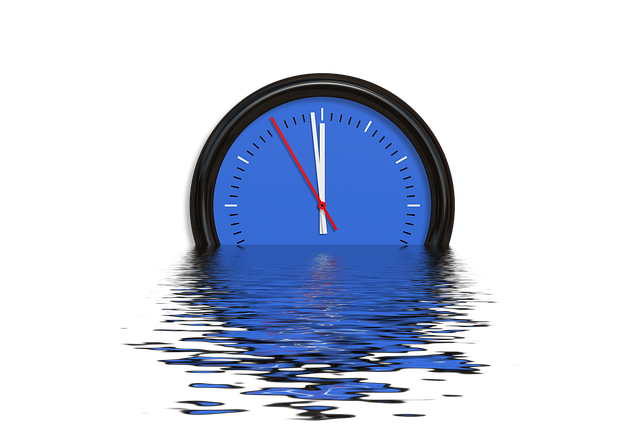
The very nature of the universe is change. The entropic principle reigns supreme. With the Big Bang, time was created. Without the flow of time nothing can exist. And time and change are inextricably intertwined:
”…in all this world, no thing can keep its form. For all things flow; all things are born to change their shapes. And time itself is a river, flowing on an endless course. Witness: no stream and no swift moment can relent, they must forever flow; just as wave follows wave, and every wave is pressed, and also presses on the wave ahead; so, too, must moments always be renewed. What was is now no more, and what was not has come to be; renewal is the lot of time.”
(Ovid, Metamorphoses, XV : 176)
A quick glance through the pages of history tells us that nothing lasts: great empires fall, cities crumble to dust and even languages morph into unintelligibility over time, or die out completely.
Belief in the greatness and importance of one’s nation and the desire to maintain it are therefore both futile and a monumental waste of energy, a short-sighted and ultimately selfish desire to halt the flow of time, or even more impossible, to reverse it.
Why, then, are people attracted to this form of political and cultural belief? It’s simple and perfectly understandable: fear of change. Change can be unsettling, especially for old people, that notoriously conservative of demographics.

The elderly tend to slip into the idea that things were better before (“in my day we never even locked our doors”) as a reaction to changes which they can’t comprehend and make them feel left out. This notion is ancient indeed : writers in the early Roman Empire were already lamenting the decadence of the day and looking back wistfully at pastoral idylls that were largely of the imagination.
The ongoing Brexit fiasco is fuelled by this kind of backward thinking (temporally as well as metaphorically speaking): clinging stubbornly to mental images of a past greatness that has long gone and implenting policy as if it were real, to the detriment of all.
In Japan, where I reside, another kind of national suicide is taking place. The aging population and declining birthrate cry out for radical changes to Japan’s inherent racism and resistance to change (the dire need to let in and accept young foreigners on equal terms), but the fact that the government and those who bother to turn out at elections are predominantly the elderly, results in stasis and stagnation, the results of which will wreak havoc on future generations.
Change is not something to be feared. It is a natural and fundamental state. True, it takes things away, but it also constantly provides new opportunities. It is balanced. Scientifically speaking, it is the underlying principle of the universe. Rather than impotently and futilely kicking against it, embrace it and open yourself to its possibilities.