THE BEST READS OF 2025
Yes, I know, the year ain’t quite over yet, but here is a selection of the best books I’ve read thus far in 2025. Out of a total of forty-four, here are the seventeen that made the biggest impression.
This year I’ve tried to balance my reading between my ongoing love of Victorian writers while including some more modern ones, and also trying to break out of my comfort zone for some new literary experiences.
To break it down, out of the seventeen books mentioned below, seven were nineteenth century classics (one French, five British), three were from the first half of the twentieth century (two British, one Irish) and seven by current writers (British, American and Romanian). Gender-wise, that’s six female authors and eight male authors.
All of these scored 9/10 or 10/10, according to my system of evaluation.
I’ve tried to make the following brief reviews spoiler-free.
1. Margaret Atwood - Oryx and Crake (2008)
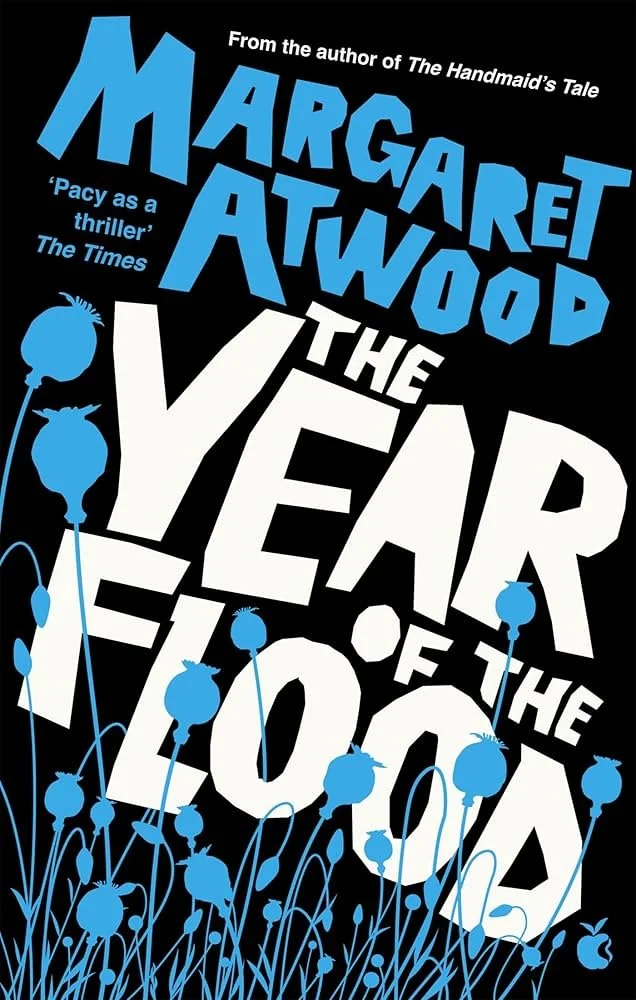
2. Margaret Atwood - The Year of the Flood - (2009)
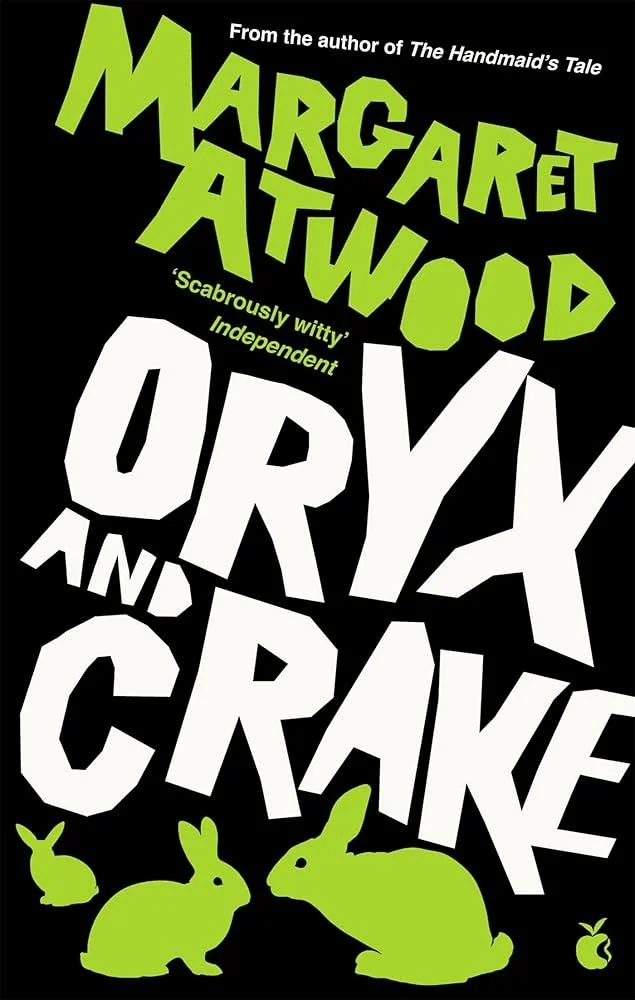
The only thing I knew of contemporary and popular writer Atwood was the TV show ‘The Handmaid’s Tale,’ which I had really enjoyed, so I decided to try her ‘MaddAddam’ trilogy, getting through the first two books of this gem of speculative fiction this year.
The first book of this dystopian trilogy concerns the friends Jimmy and Crake who grow up in an unpleasant future world where the plebs live in poverty and the rich live in fenced off compounds. Crake ends up as a scientist involved in engineering a new type of ‘innocent’ human while Jimmy underachieves and just writes advertisements for new futuristic products. A third character, Oryx, a woman who had earlier been a slave, is introduced as the story explodes into a climactic finale.
A superbly engaging and well-written novel, it would have gained a perfect 10/10 from me, but I had to drop a point due to some rather repellant story details concerning one of the characters that I felt to be a bit gratuitous, There was also a slight whiff of orientalism as well.
The second volume in the trilogy, ‘The Year of the Flood,’ is set in the same place as ‘Oryx and Crake’, but features different characters in a parallel story. This time it is told through the eyes of two women, Toby and Ren, both members of a religious group who eschew eating animals and believe in a prophecy of the eponymous ‘year of the flood,’ which soon arrives. Their different harrowing experiences eventually come full circle and we finally see the connection with the first book. A beautifully well-rounded novel.
3. Susanna Clarke - Piranesi (2020)
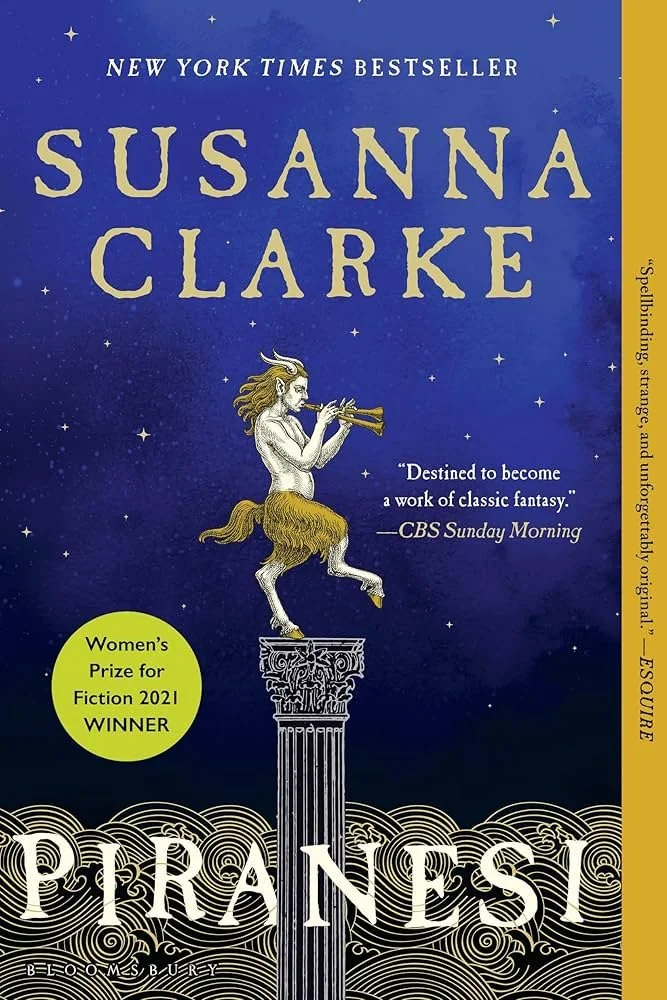
Clarke burst onto the scene in 2004 with her door-stopper of a fantasy novel, ‘Jonathan Strange & Mr Norrell’ (2004), then vanished before finally coming up with this short mysterious tale. I hear that many reasers were disappointed, but I loved this dreamy story of a man who exists in a strange world consisting only of an enormous set of connected buildings with giant halls and statues. Always dodging the periodic flooding by the sea and surviving on fish and seaweed, he keeps a journal and occasionally meets the only other living inhabitant of the world, a man who conducts experiments to find the source of knowledge. The routine of years is, however, soon to be interrupted. A beautiful book full of mystery, and although very different from her first release, I found it to be of the same high quality.
4. Thomas Hardy - Jude the Obscure - (1895)
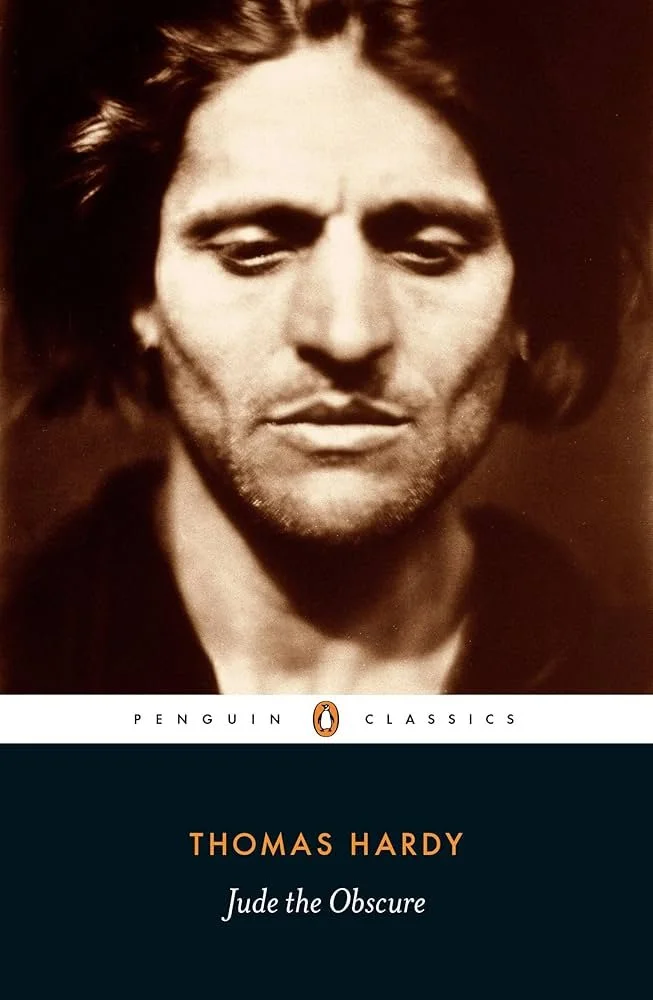
Late Victorian writer Hardy was responsible for the bleak but superbly moving ‘Tess of the D'Urbevilles,’ which I listened to on audiobook a while back, and was curious to tackle his other controversial novel. This great but depressing story tackles many subjects that were taboo in Victorian Britain, and such was the critical reaction to it that Hardy gave up writing novels entirely.
The story revolves around the eponymous Jude and his struggles to find happiness both in relationships and career. The controversy concerns the novel’s portrayal of characters who are ‘living in sin’ and rejecting religion, which must have appeared scandalous at the time, since Hardy does not condemn it. A hard read in terms of subject matter, but clearly a great novel.
5. Margaret Oliphant - Hester - (1883)
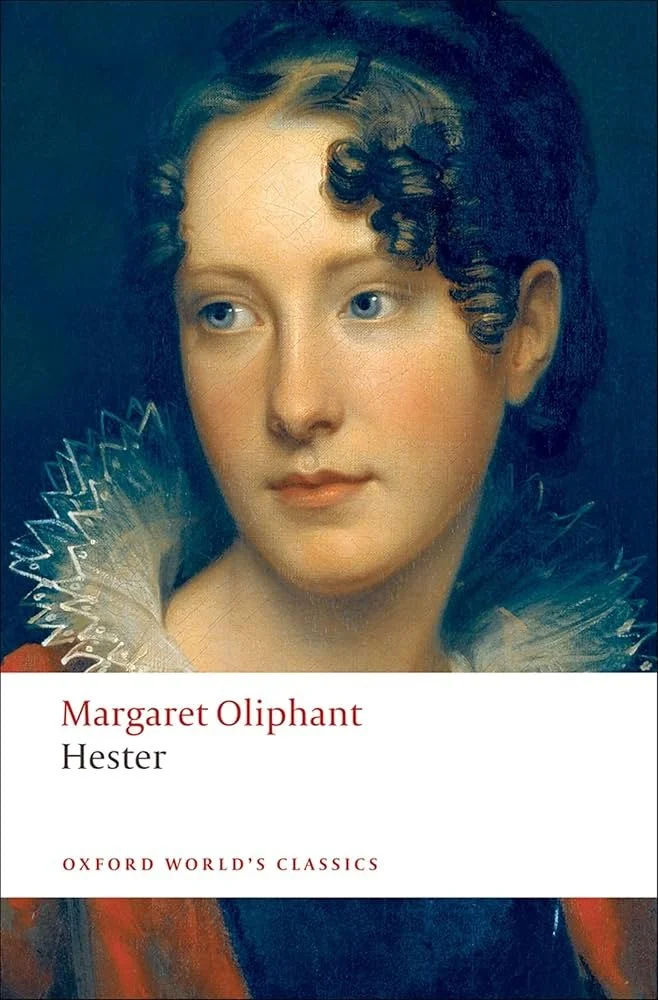
My first experience reading this prolific Scottish Victorian author who wrote more than eighty novels. And what a fantastic name! Overshadowed these days by her contemporaries, Oliphant is best known, if she is known at all, for this novel and her cycle ‘The Chronicles of Carlingford.’
‘Hester’ is the story of two strong, capable but stubborn women butting heads, making it very atypical for the nineteenth century. Catherine Vernon, head of a bank, is the older protagonist. The widow and daughter of a man who worked for her and nearly ruined the bank, later come back to live in a house of Catherine’s at her request. Despite this act of charity, Hester, the daughter, takes an immediate dislike to Catherine. Confrontation, complications and drama ensue in this superb but little-known novel.
6. Mircea Cărtărescu - Solenoid - (2015)
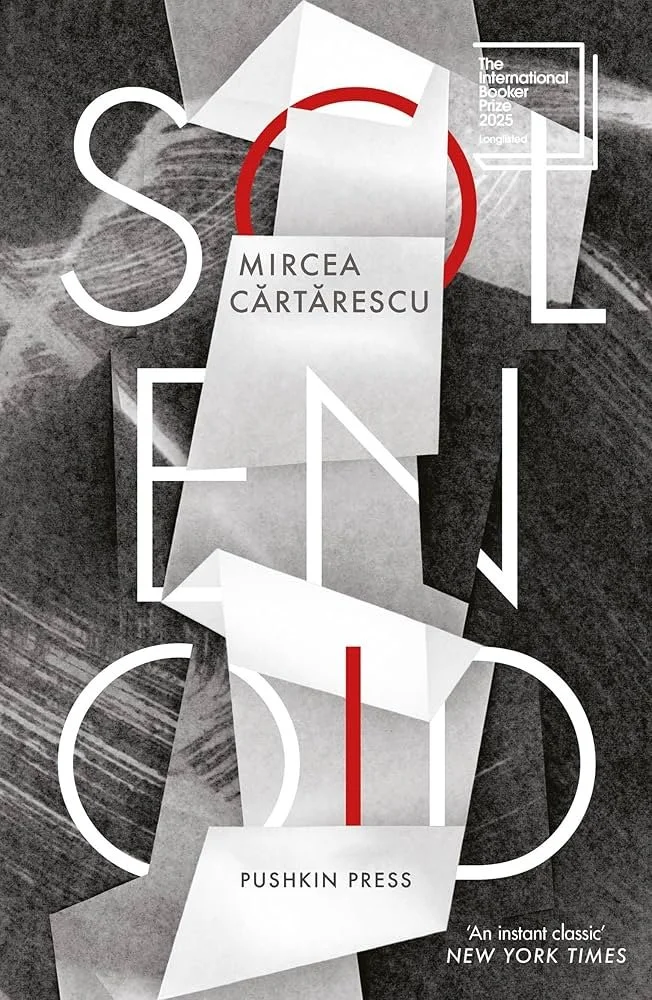
This is the second novel I’ve read by Cărtărescu, a Romanian avant-garde writer known for ‘difficult’ works. Solenoid is a long dream-like tale set in Communist Bucharest in which a teacher contemplates his life, intertwined with the suffering of the city. I actually gave up after reading about two hundred pages, since the book didn’t seem to be changing it up enough. Months later I came back and read another third, before giving up because its dark and disturbing tone was not doing my mental condition any favours. I finally came back and finished it, realising that it is a magnificent work, sometimes profoundly moving and beautifully written, although by no means an easy read, and not for those who want a story in the normal sense of the word.
7. Flann O’Brien - The Third Policeman - (1940)
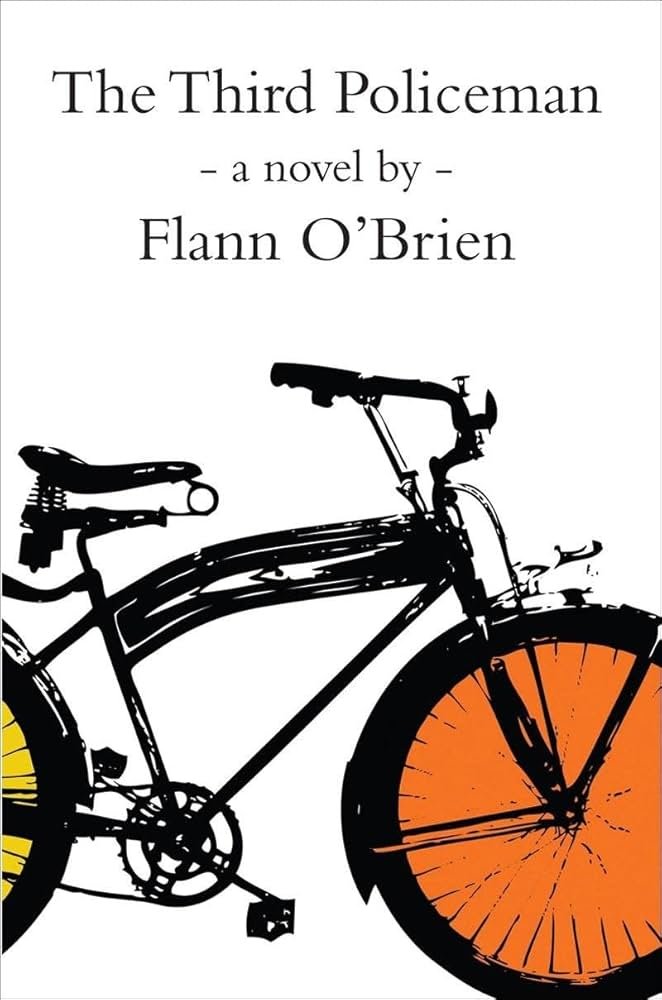
I’d heard of Irish writer O’Brien but wasn’t really sure what kind of books he wrote, or even when he wrote, but I gave him a go when I found this on my audio book app. Was I in for a treat! A magnificently odd surrealist tale about the meaning of life and death (maybe) : murder, strange rural policemen obsessed with bicycles, men with wooden legs and a whole subterranean layer of weird machinery. And lots of footnotes about an obscure intellectual called de Selby. A superb and funny work of the imagination.
8. Kazuo Ishiguro - Never Let Me Go - (2005)
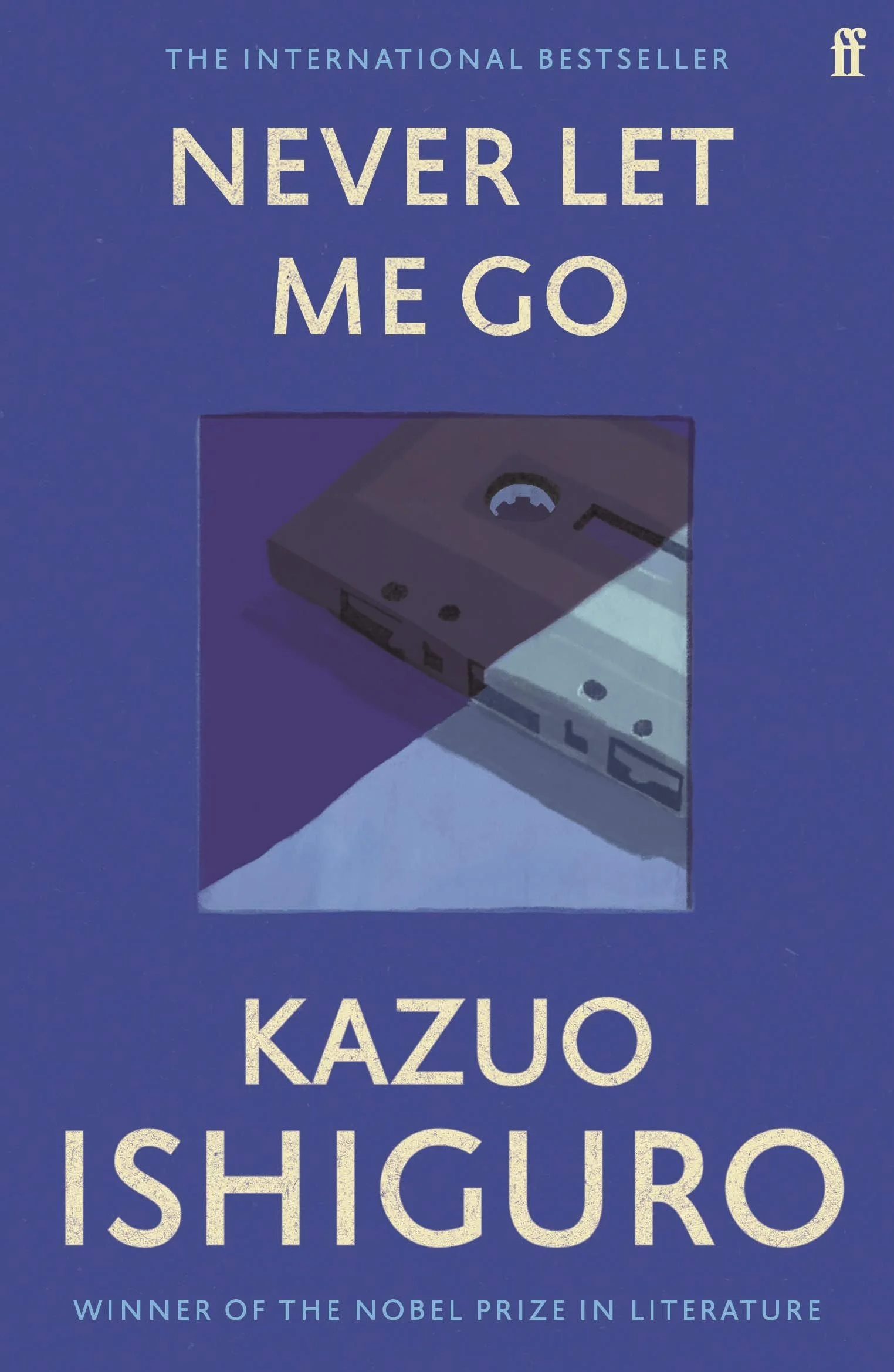
I read Ishiguro’s ‘Remains of the Day’ years ago and had enjoyed it, but had never really felt the need to read anything else by him. Then, during a period of eye strain when I was confined to audio books I thought I’d try another, not thinking it would be anything special. In that I was wrong - this novel of a dystopian future in which certain unpleasant facts are gradually revealed is both chilling and deeply sad, and left an indelible impression even though to begin with I was only casually listening to the story. The hype surrounding this book is justified.
9. Elizabeth Inchbold - A Simple Story - (1791)
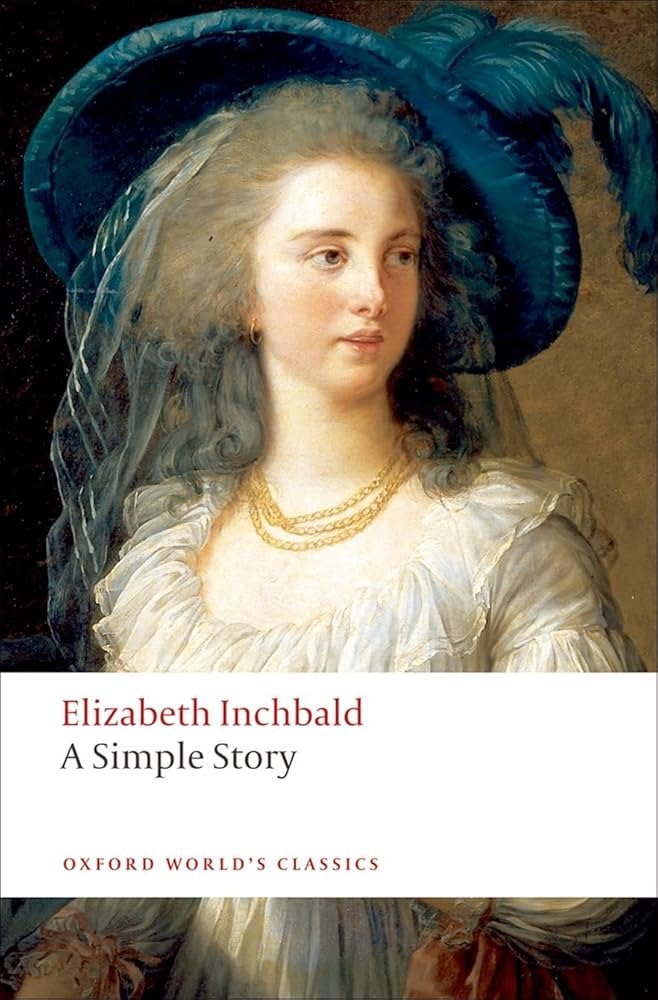
This relatively obscure English actress and writer only wrote two novels. I wasn’t sure how I would feel about this one, as the eighteenth century has been a bit hit-and-miss for me, but I needn’t have worried. An unusual novel in its bold female characters, it tells the tale of the mischievous Miss Milner whose acts and behaviour towards her suitor and later husband Lord Elmore are far from conventional, leading to considerable drama and upheaval. The second part of the book changes focus to Matilda, the couple’s daughter, and ends on an original and unusual note. Well worth investigating, this novel is very different to near-contemporary Jane Austen.
10. Wilkie Collins - The Black Robe - (1881)
11. Wilkie Collins - Armadale - (1866)
Collins is my favourite Victorian author, and I can’t understand why the likes of Dickens (a friend of his) overshadow him, since I find his inventively plotted ‘sensation’ novels way more entertaining. I actually read no less than six things by Collins this year, these two being the best.
I consumed ‘The Black Robe’ as an audiobook, knowing that it was a later poorly-regarded work. Indeed, it started slowly, but by the end had become as exciting and intriguing as his greatest works with a typically complex plot revolving around the life of Romayne, a wealthy young man terrorised by the memory of a violent act from his past. Behind the scenes a high ranking Jesuit is plotting to recover Romayne’s house and land which had originally been owned by the Catholic Church. An excellent tale : its middling reputation is in my opinion not deserved.
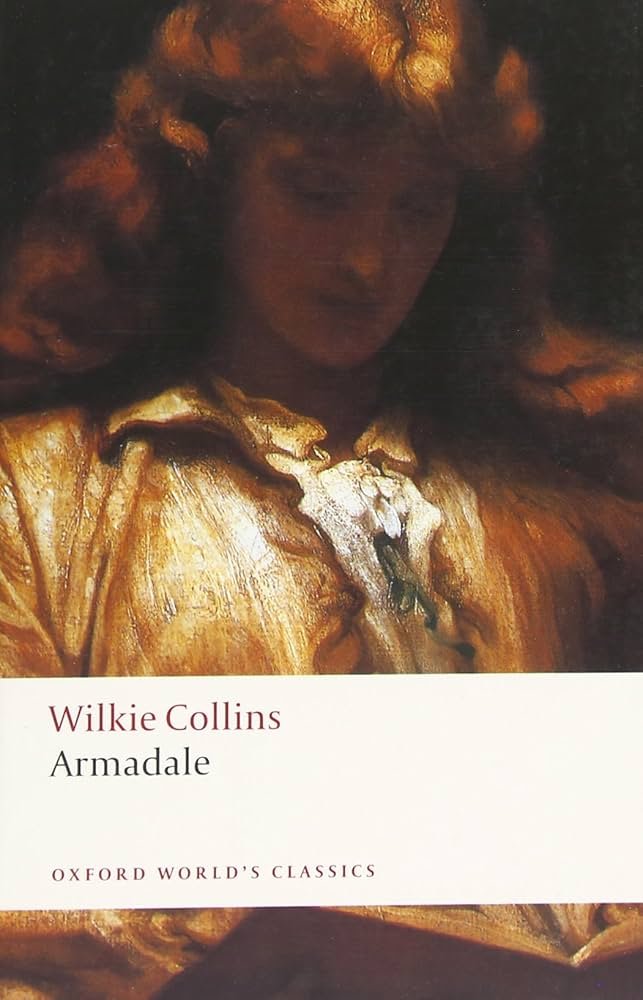
‘Armadale’ is one of Collins’ four highly-regarded mid-period works, an enormous eight hundred page monster with a complex plot and plenty of drama. The book tackles the story of two related men, both called Allan Armadale for complex reasons relating to the secret of a murder. The two live seperate lives, one with an inherited fortune, the other a rough life under an assumed name. Enter Lydia Gwilt, a cunning and calculating woman who is connected to the secret of the two Allans, and wreaks havoc on the proceedings. An exciting page-turner with Collins on top form.
12. Elizabeth von Arnim - Vera - (1920)
13. Elizabeth von Arnim - The Enchanted April - (1921)
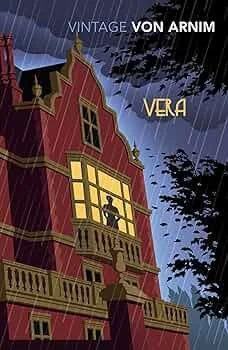
Elizabeth von Arnim, born in Australia but gaining the Germanic surname by marrying into Prussian nobility, was a writer straddling the Victorian age and the new emerging world after World War One.
‘Vera’ seems almost like a blueprint for Daphne du Maurier’s later ‘Rebecca’ : the nightmarish tale revolves around the chance meeting between middle-aged Everard, recently widowed, and Lucy, a naive young woman whose father has just died. They console each other and, against the wishes of Lucy’s kin, soon get married. However, things are not all that they seem, and Everard soon shows his true colours, and the spectre of dead wife Vera begins to cast a shadow over the preceedings. Compelling, but deeply disturbing.
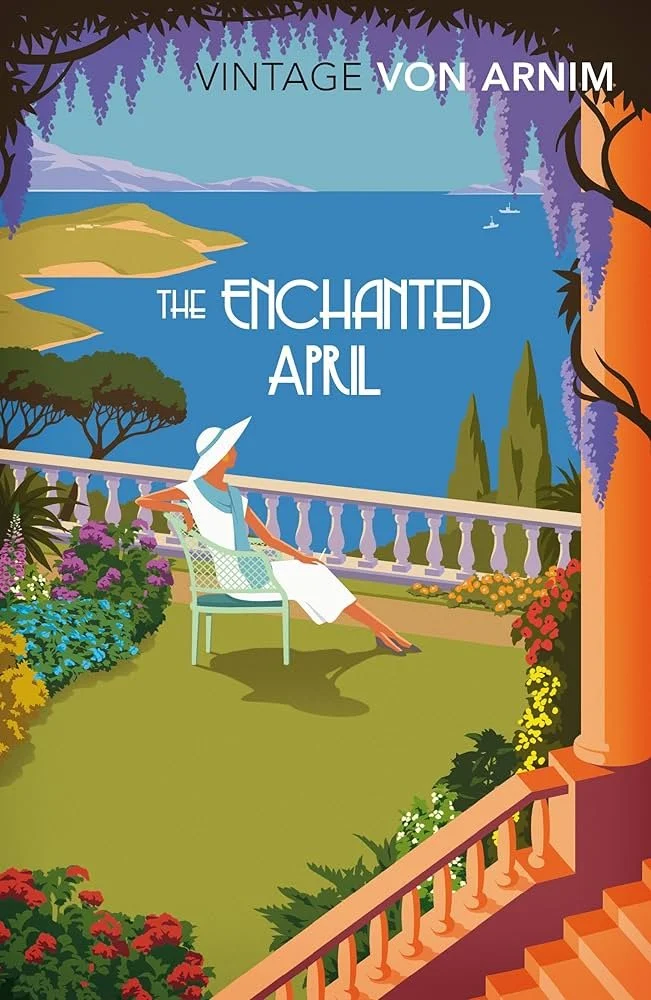
‘The Enchanted April’, on the other hand, sees four disparate and desperate women, strangers to each other, rent an Italian seaside castle for a month via a newspaper add. Each dissatisfied with their lives in some way, the Mediterranean locale positively transforms them and brings them together. The shy ineffectual Lottie: Rose, separated from her unfaithful husband: Caroline, the heiress tired of being pursued by men, and the elderly grumpy Mrs Fisher, constantly mired in the past. A surprisingly charming and insightful novel.
14. George Gissing - The Odd Women - (1893)
George Gissing is another Victorian novelist whose work was ranked alongside contemporaries such as Thomas Hardy, but then seemed to slip out of popularity in the twentieth century. I thoroughly enjoyed his earlier ‘New Grub Street,’ and was keen to try another by him.
The title ‘The Odd Women’ refers to unmarried females. Of course, Victorians thought all women should marry, but if they didn’t or couldn’t, what happened to them? Their plight and the disadvantages they faced in Victorian society is the the theme of this bold novel. The story centres on a radical institution run by a feminist which aims to educate and broaden the horizons of women. Common law marriage and fee love are openly discussed, very daring for the period. Gissing is much less sentimental than most Victorian authors, and his magnificent works are rather bleak, but relaistic.
15. Victor Hugo - Les Miserables - (1862)
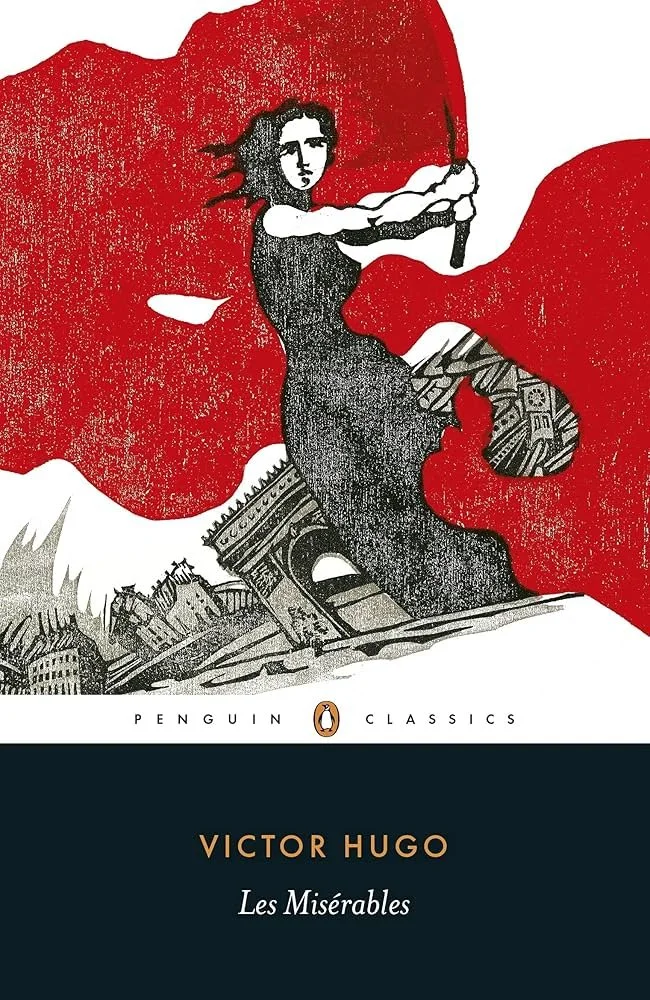
Despite being a great fan of French literature, I‘d always avoided Hugo and in particular this classic door-stopper, just because of all the buzz about the film version and the musical, which made me assume it wasn’t for me. This year I finally decided I should give it a go, and read the entire 1300 page epic. And it was amazing. It seems incongrous that such a tale concerning an obscure Parisian revolt in 1832 should have entered the public consciousness, but then again, I’m sure the mass media versions omitted much of the vast detail and asides the book is comprised of. Just like Tolstoy’s ‘War and Peace,’ this tale of a convict turned good and his relentless police pursuer getting mixed up at the barricades, is replete with long sections discussing the Battle of Waterloo, the founding and history of various religious orders, and more famously, the Paris sewer system. Just my kind of thing - why did I stay away from it for so long?
16. Robin Hobb - Assassin’s Apprentice (1995)

Sometimes it’s nice to get back to something a little less serious, and it is to fantasy that I find a refuge from the heavier classics. Sure, fantasy is full of ridiculous and repetetive tropes, but as John Peel once said of minimalist electronic music, it’s interesting to see what artists can come up with in such narrow parameters. After a bit of research I decided I’d try this well-regarded first book in a trilogy, and it did not disappoint. Extremely well-written and plotted, we follow the life of a young boy, Fitz, who is a royal bastard and has abilities with the Skill, a kind of magical thought transference associated with nobles, and Wit, an ability to attune to animals. He is taken on by the king as an assassin and foils the plot of one son of the king to kill the other (next in line) while negotiating an alliance with the people of the mountain to band together to stop the raids and brutal ‘forging’ the OuterIslanders are doing. Yes, the usual fantasy fare, but so beautifully done and an absolute page-turner. I will definitely be getting the next two books in the series.
17. Daphne du Maurier - My Cousin Rachel (1951)
My third du Maurier novel - I’d loved the classic ‘Rebecca’ but was a bit disappointed by ‘Jamaica Inn,’ so I wasn’t sure how this one was going to go. I needn’t have worried - it’s a superb novel. The story revolves around the naive Phillip Ashley whose bachelor life with his older cousin and benefactor Ambrose is disrupted when the latter goes abroad and meets Rachel, who is half Italian. They marry, remaining in Italy, but after a year or so Ambrose dies. The trouble begins when Rachel eventually shows up at the Ashley estate. Wonderfully written, with suspence, tension and awkwardness in spades.