DAY TRIP TO FUKUOKA
OK, so this day trip took place back in April, but I’m slow at processing pics as I’ve been getting to grips with new software (ON1 Raw) - and putting up even a photographic blog post is surprisingly time-consuming. Just in case anyone thought I’d been braving current August temperatures of 36C to get out and about.
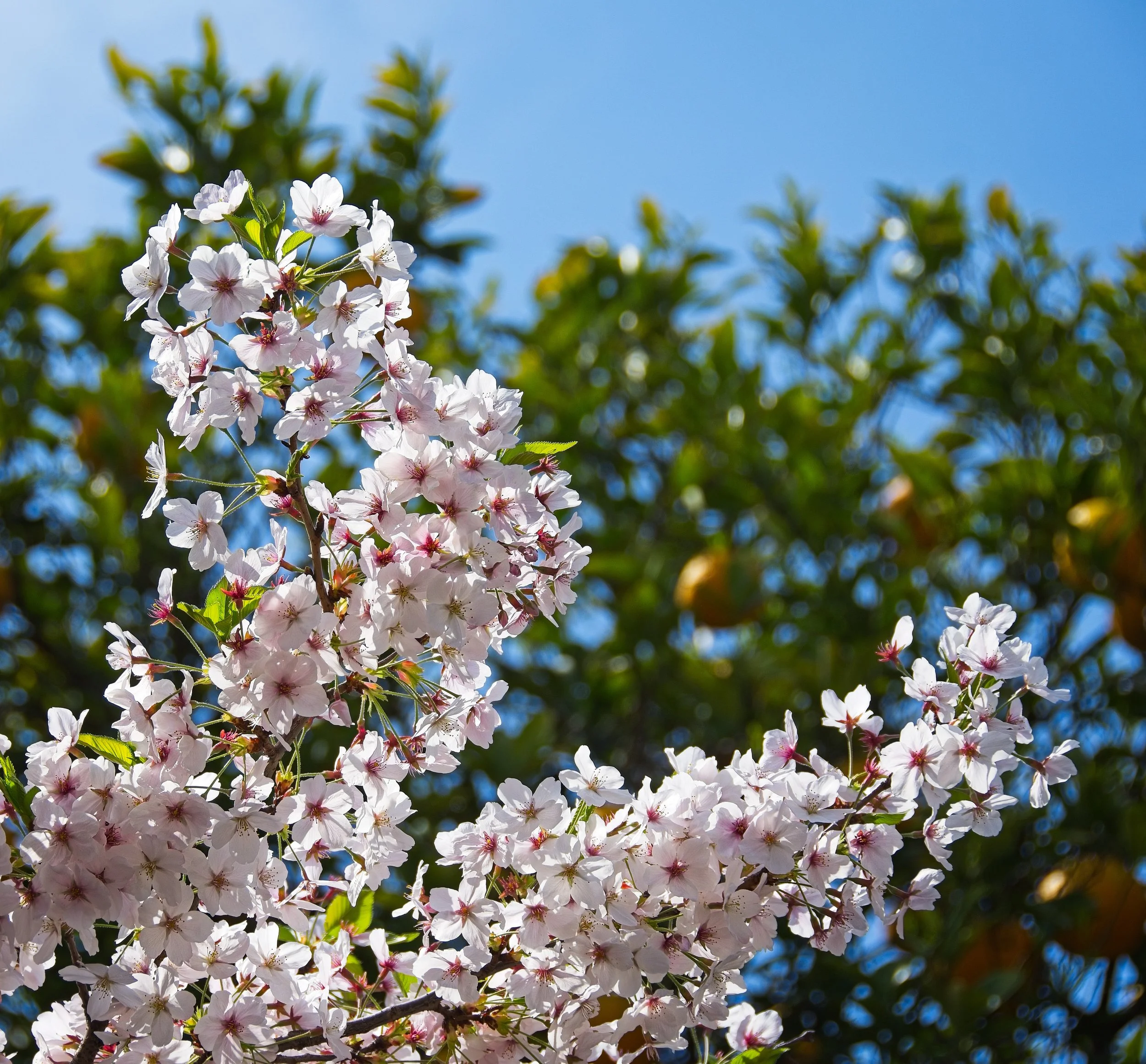
This day trip was impromptu : I got up one morning, saw the weather was good, knew that the cherry blossoms had opened early and that my stock of free time was about to be curtailed as the start of the new academic year, grabbed my camera and legged it down to the station to grab a Shinkansen ticket.
Fukuoka is the largest city on Kyushu, the southernmost of Japan’s main islands, and with a population of two and a half million, it’s double the size of Hiroshima where I live. But why do a day trip to Fukuoka? This large city has a reputation for being a very liveable place but in all honesty, it’s lacking in attractions. If you were to visit Japan there would be no real reason to stop here. Kyoto or Tokyo it ain’t. However, for my purposes, it was easy to get to - only an hour away on the Shinkansen. In addition, I hadn’t been there for a long time, and I had a suspicion that it might be rewarding in terms of temples, and as the cherry blossoms were out, there might be some good photo ops.
A glance at Google Maps and a bit of research did indeed reveal a nice set of historic places all within walking distance of the main station. In fact I was surprised at just how many top tier temples there were in this place. Once again, you can be pleasantly surprised if you do a little bit of exploring. Don’t get stuck into the mindset of pigeon-holing Japanese cities like so many people do: Kyoto - temples. Tokyo - urban madness, Osaka - food, etc - this is a big mistake and can make you miss out. As I’ve explained eslewhere on this blog, you can quite happily spend a week in Tokyo just visiting temples and shrines, or just visiting gardens, and similarly you can go to Kyoto and focus on castles, historic sake-brewing areas and canal walks without entering any temples at all.
The first thing to note about Fukuoka is the name of the main station. It ain’t called Fukuoka. It’s Hakata. This could be very confusing, but I suppose it’s a case of an urban area containing two cities (like Salford and Manchester), and the station just happened to be in the Hakata part. It’s all just one big urban area, though. Actually, Hakata is one of the oldest cities in Japan, which may account for the plethora of temples I discovered there.
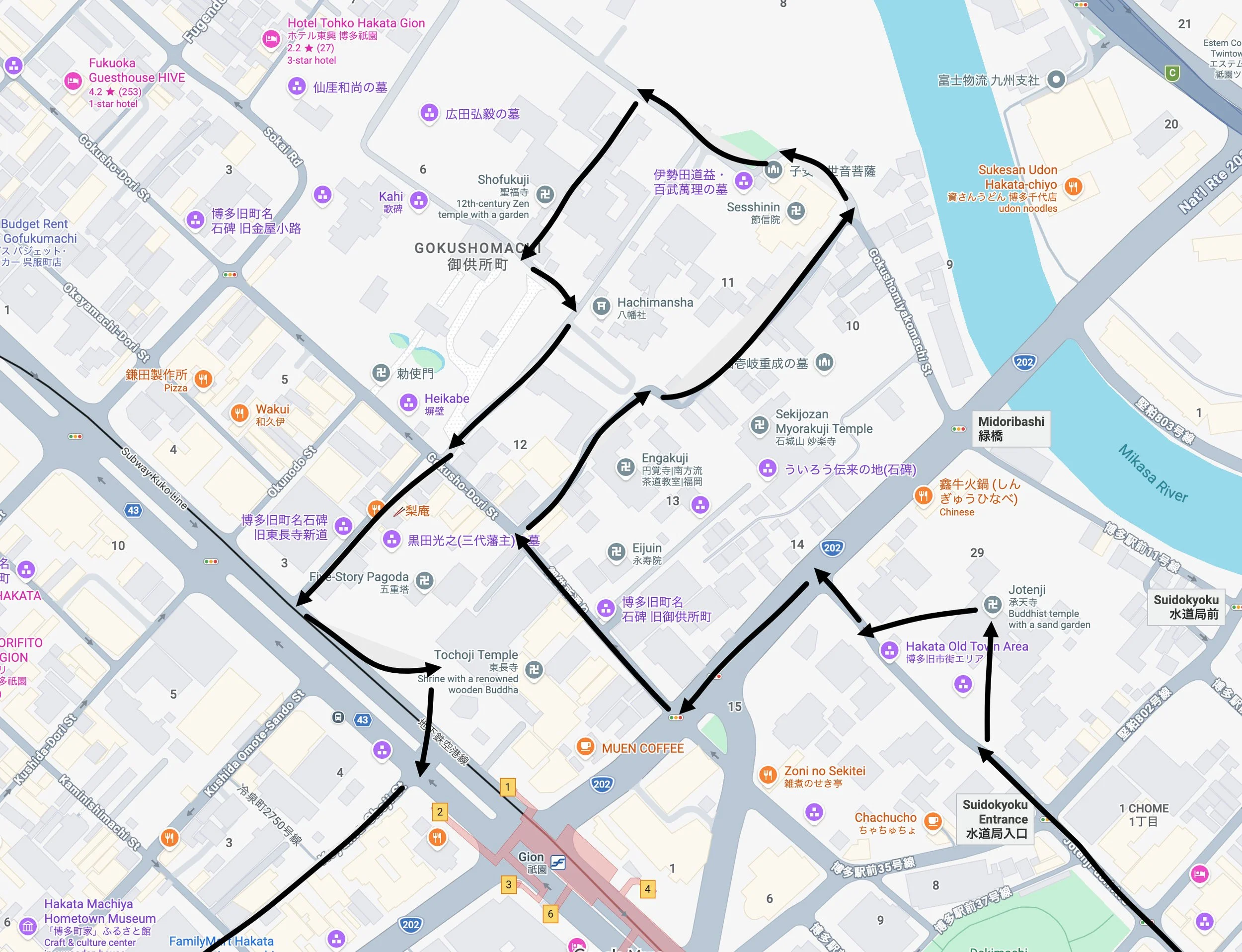
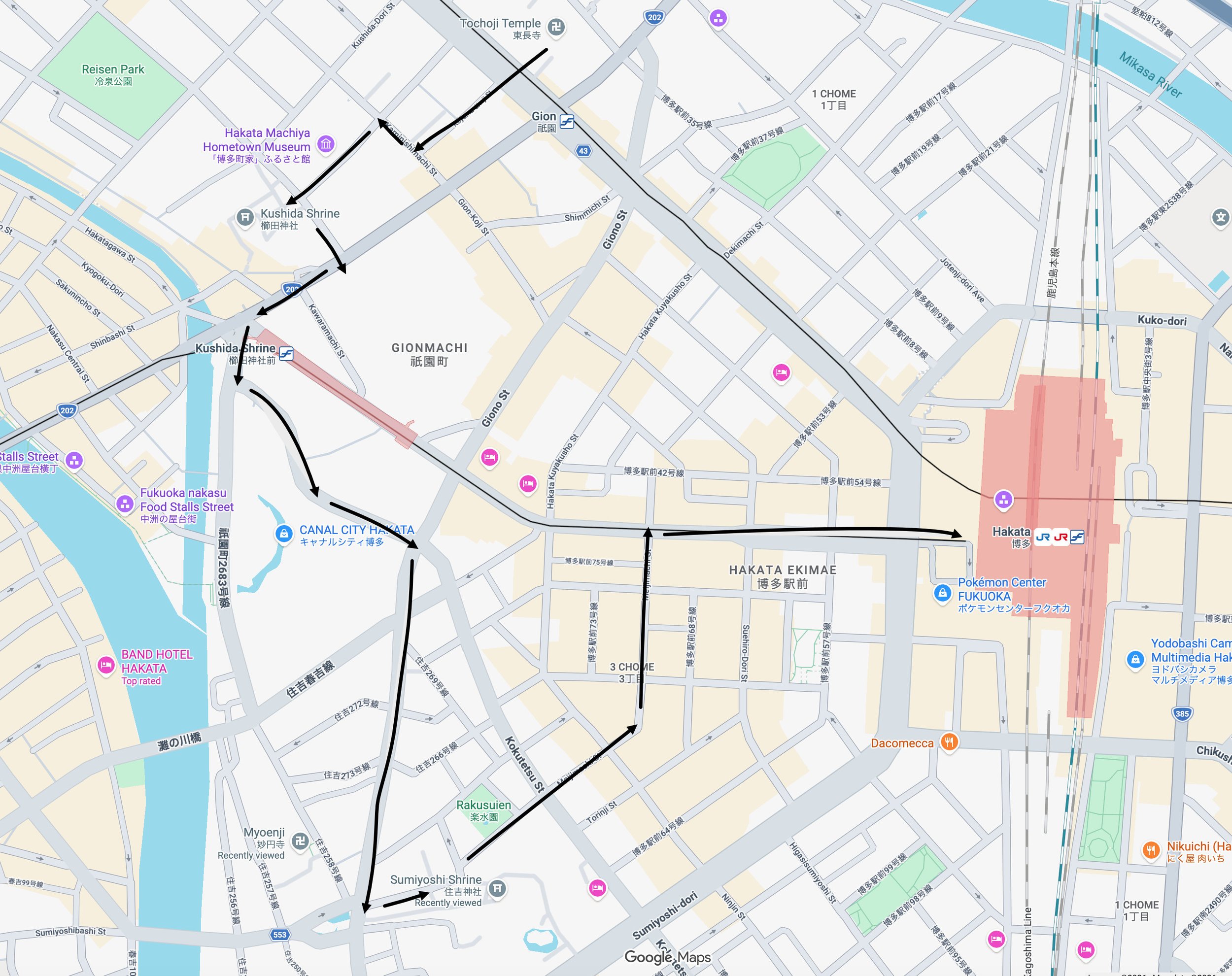
Here’s a map to show the first part of the route : Hakata station is out of the frame to the bottom right.
JOTENJI
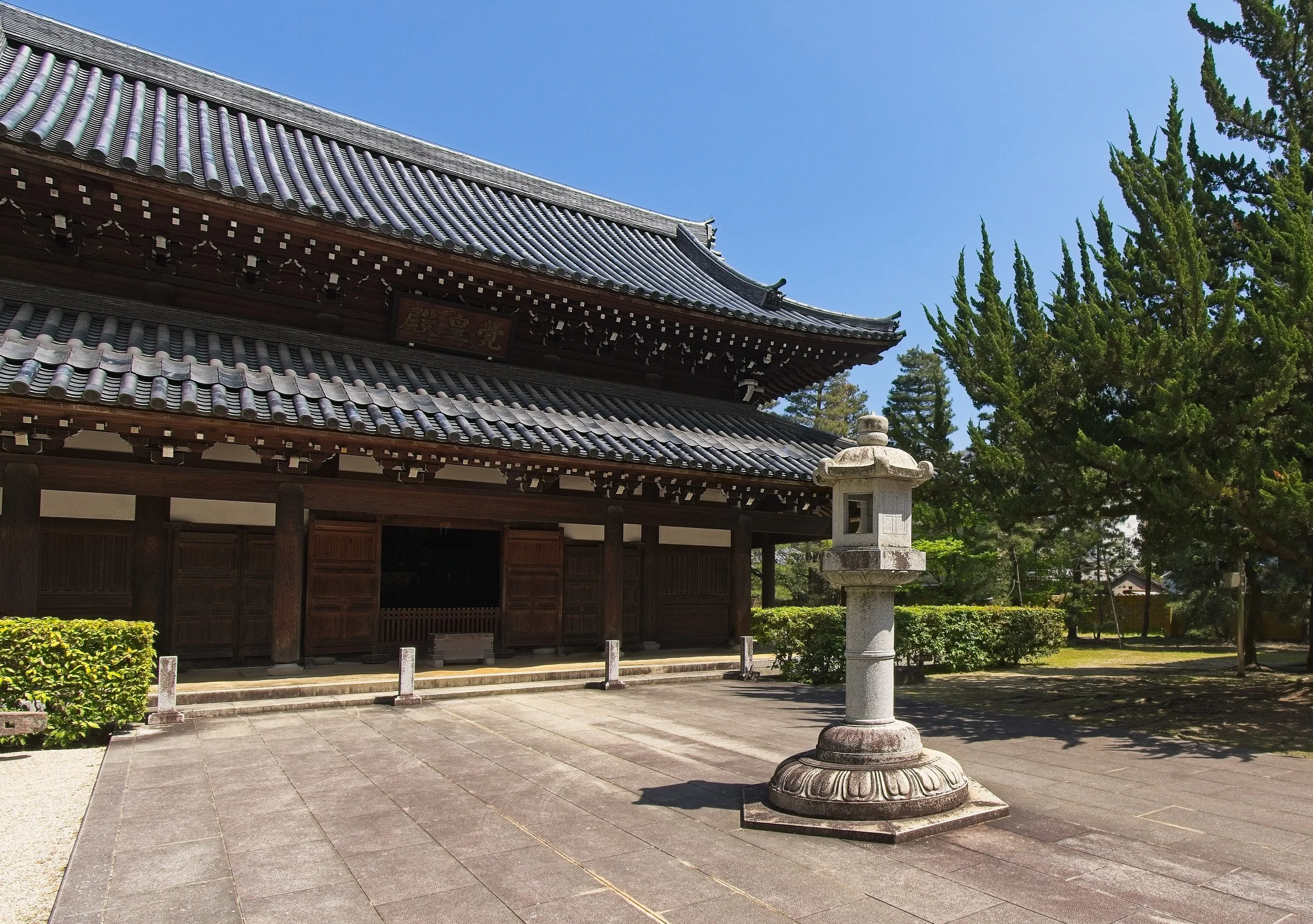
My first stop was the delightful Jotenji, not very far from the station at all, and hemmed in by large modern buildings, but what a gem! A real oasis of tranquility, and to make things even better, not a single other person there. A temple of the Rinzai sect of Zen Buddhism, it was supposedly founded in the thirteenth century, but the buildings have obviously been rebuilt many times over the years. Set in a compact but tree-filled courtyard, Jotenji features a large central hall and a second tower. There’s also an internal raked stone garden and verandah, but that wasn’t open when I was there.
Jotenji
A STROLL THROUGH TEMPLE TOWN
Next I headed north and found a whole area of nothing but temples - Engakuji, Sekijozan, Seisshinin and many more, all of which were not open to the public, but still it was a beautiful area to stroll around and full of photographic opportunities.
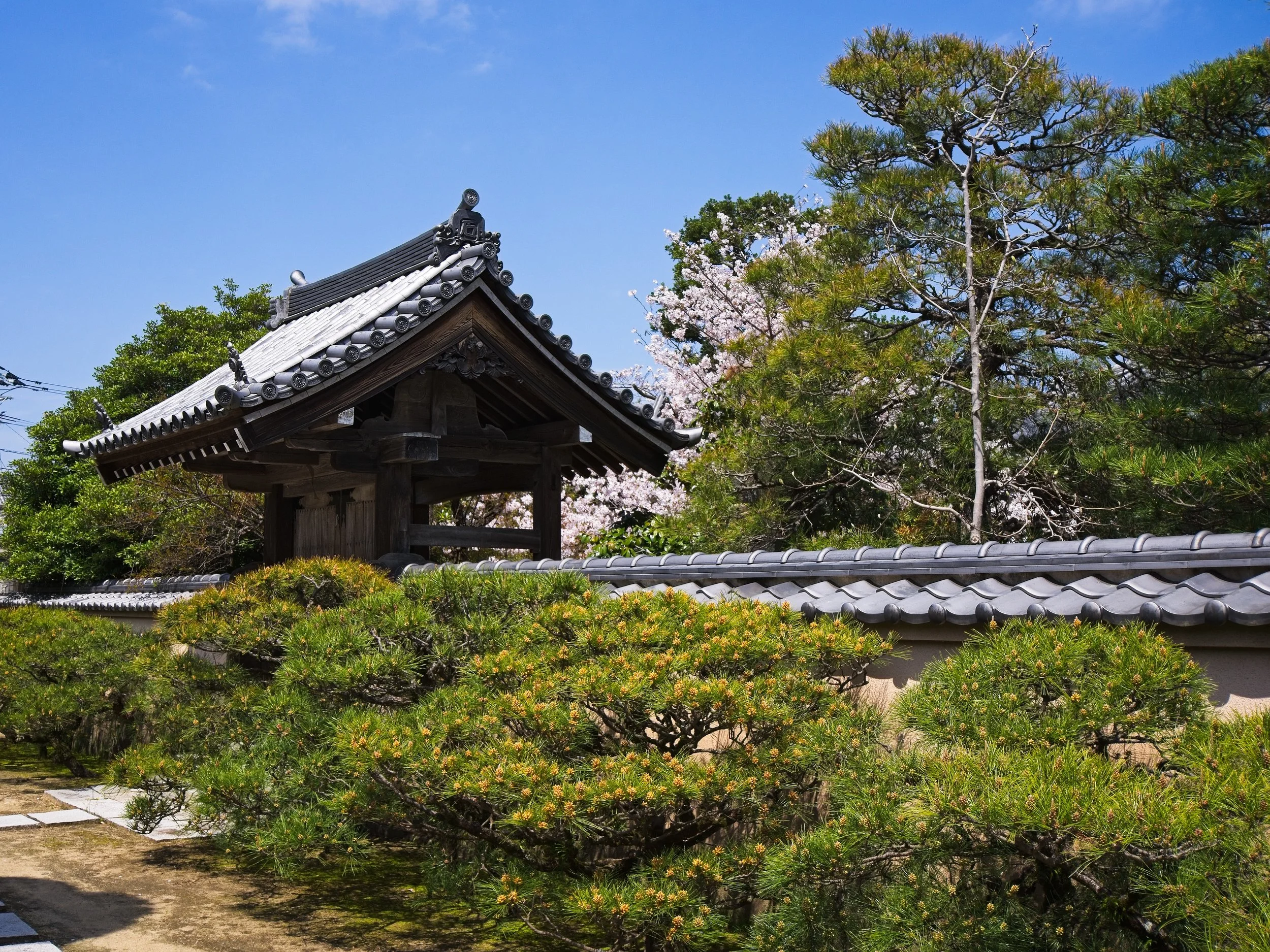
Somewhere in ‘Temple Town’
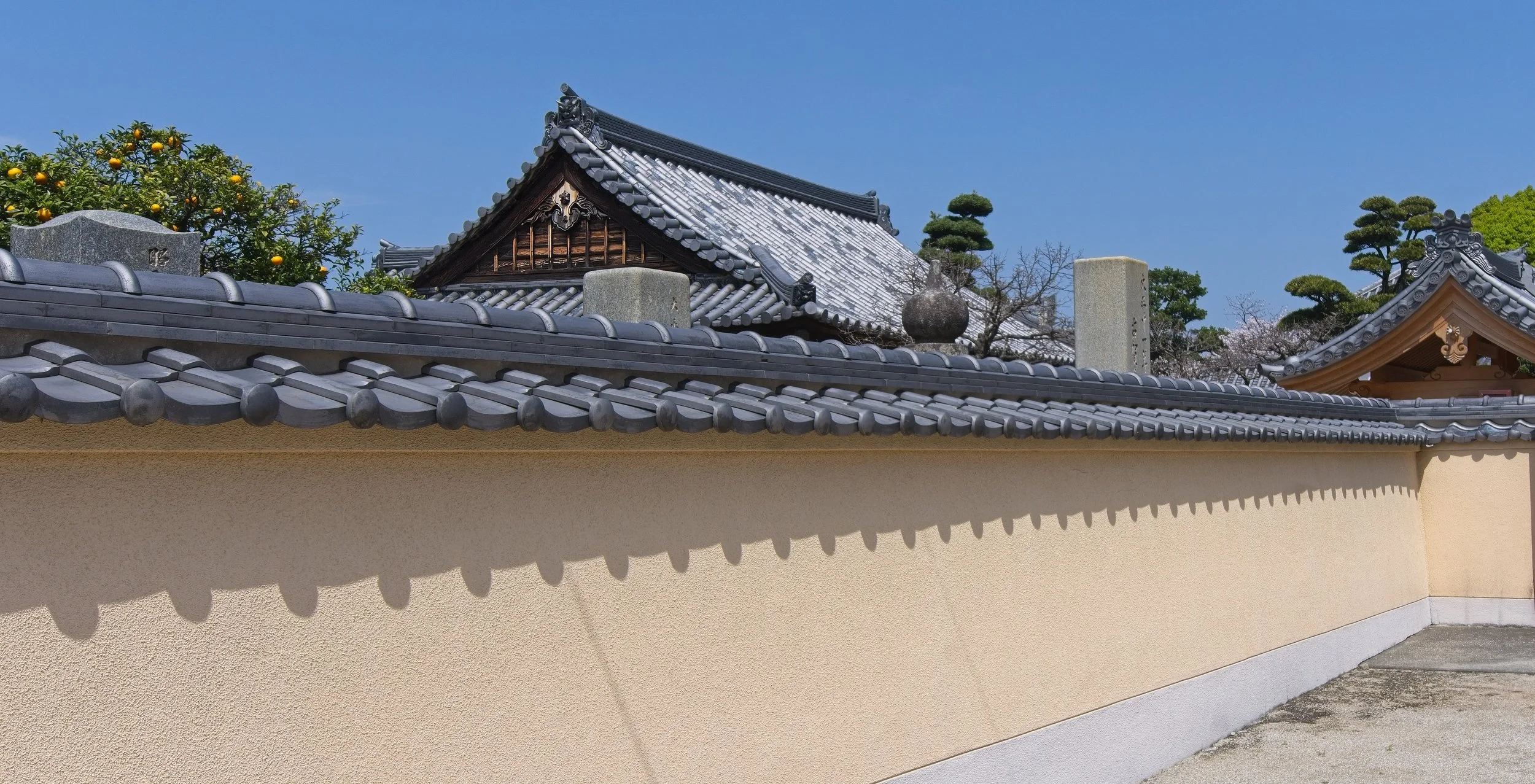
Somewhere in ‘Temple Town’
SHOFUKUJI
A little further north was the gloriously gloomy and atmospheric Shofukuji, an ancient temple in a large shady park. Another Rinzai Zen place, it is actually the oldest Zen temple in Japan, dating from the twelfth century - and it looks it! Rather worn out and run down, it nevertheless oozes charm, but it was difficult to capture good pictures of it. A great place to sit and rest, and a location where you can totally forget that you are in the centre of a huge city…
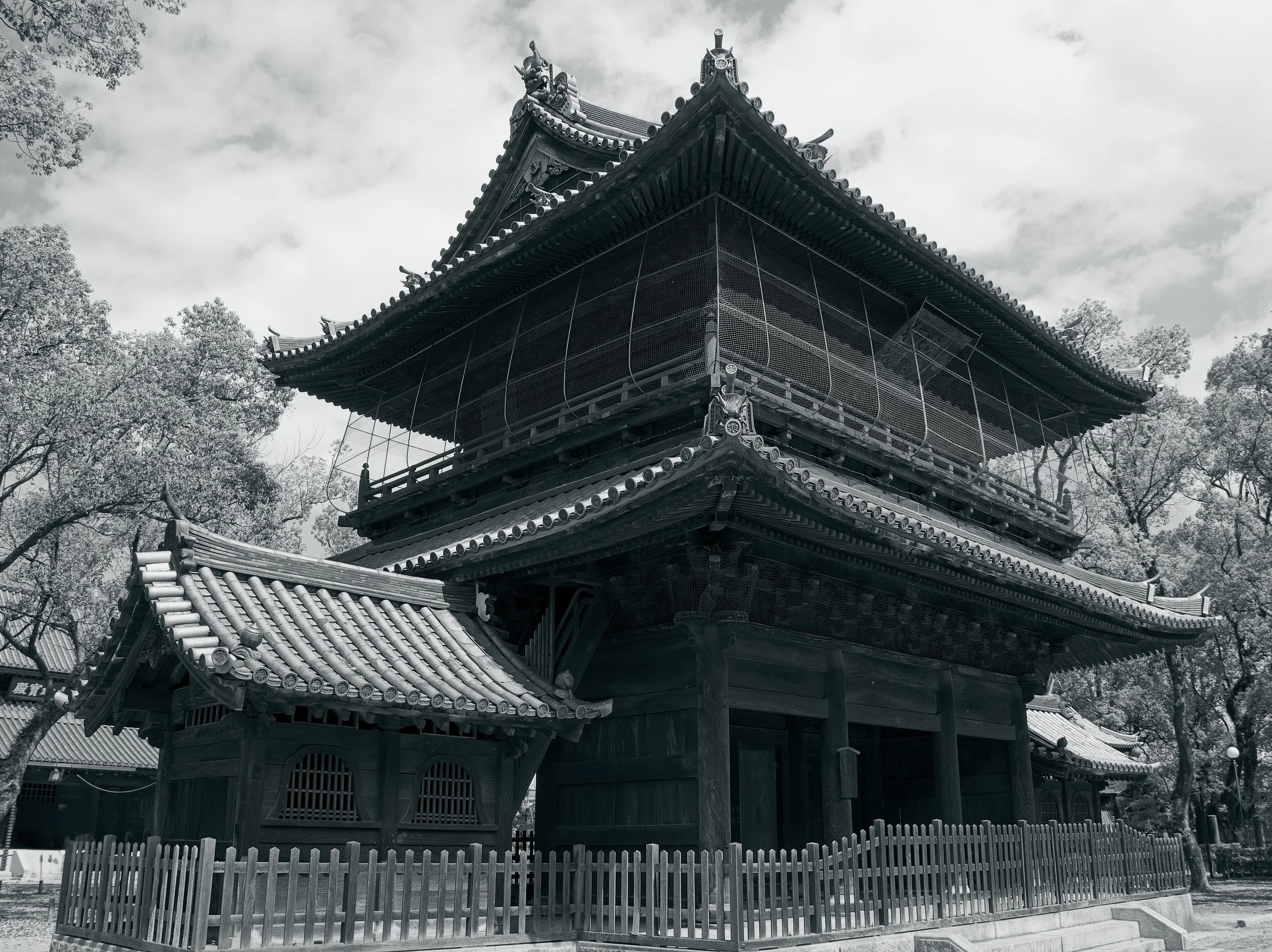
Shofukuji
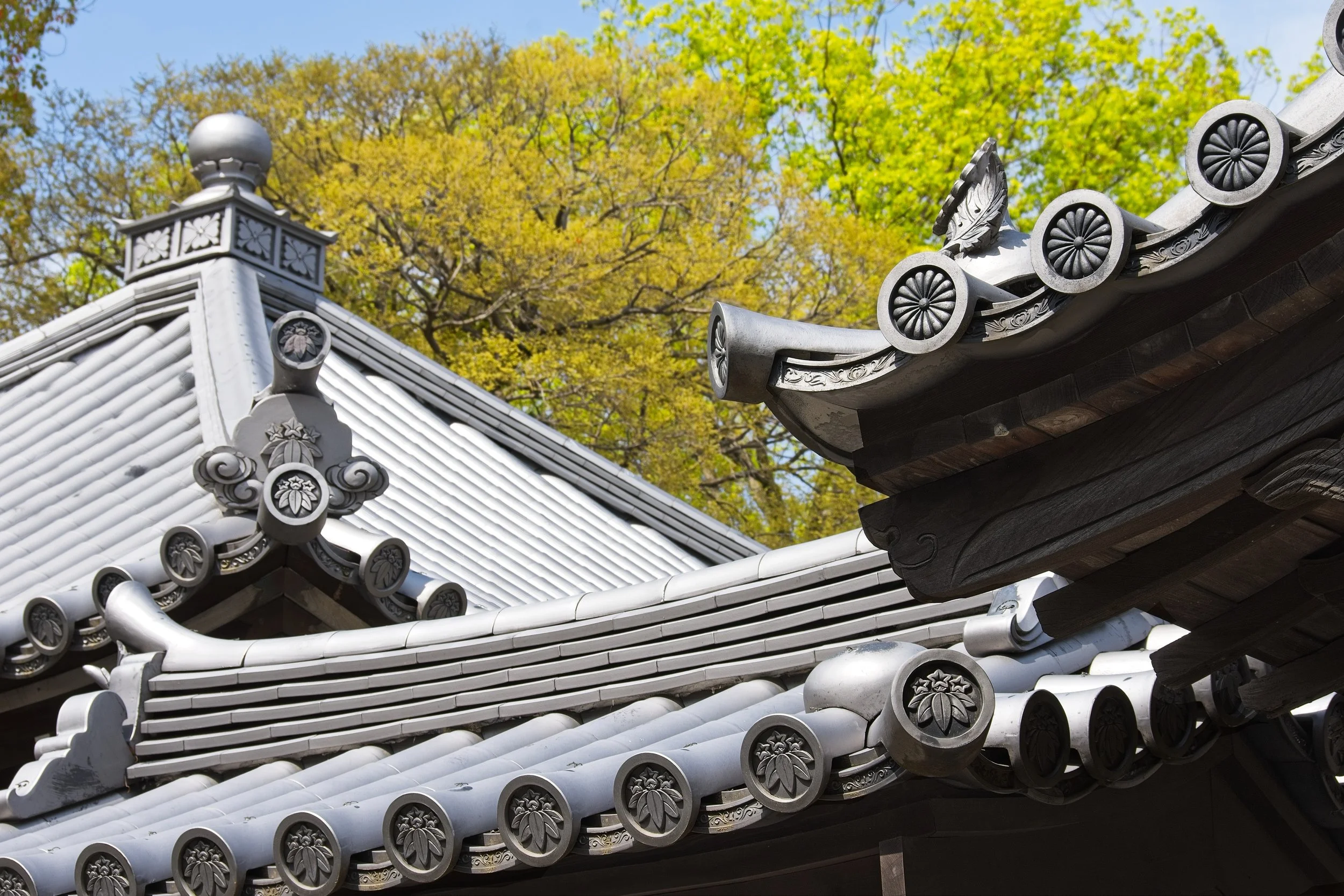
Shofukuji
TOCHOJI
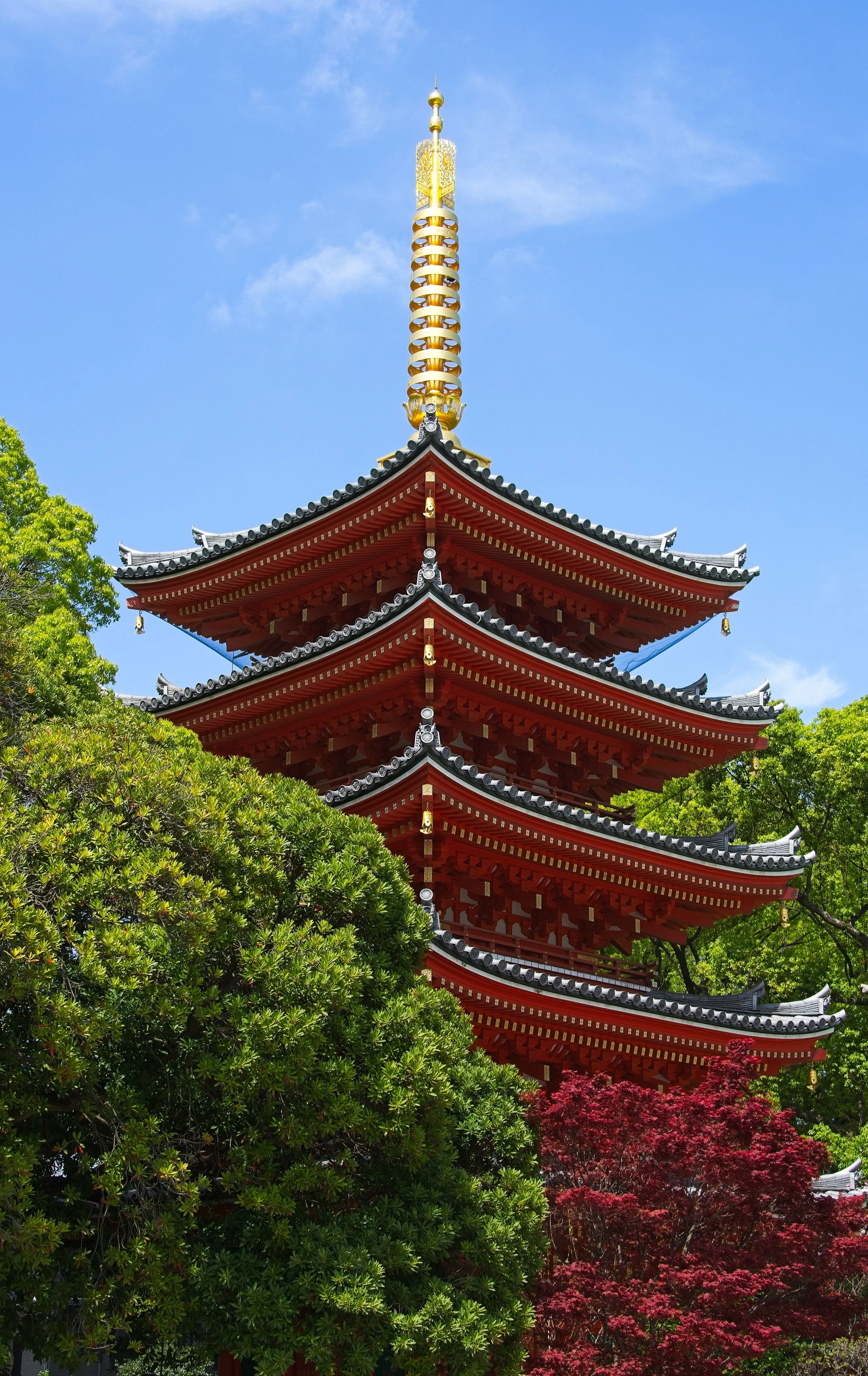
After that, I headed south west and soon noticed the pagoda of the gorgeous Tochoji, the highlight of the trip. Now this place is clearly well-known, as it was crowded with domestic tourists. However, it was so stunning I didn’t mind at all. This huge temple is part of the Shingon sect of Buddhism and was founded on this site in the ninth century. The stone enclosure is full of maple and cherry trees, the latter having bloomed early when I was there, which accounts for the crowds. Aside from the enormous main hall, there is a hexagonal tower (a book depository), and no less than two types of orange pagoda. The place was just so photogenic that I was there for ages snapping away, or just gawping at the majesty of the place. I was very lucky to have arrived on a day with both blue skies and the forementioned pink petals in abundance.
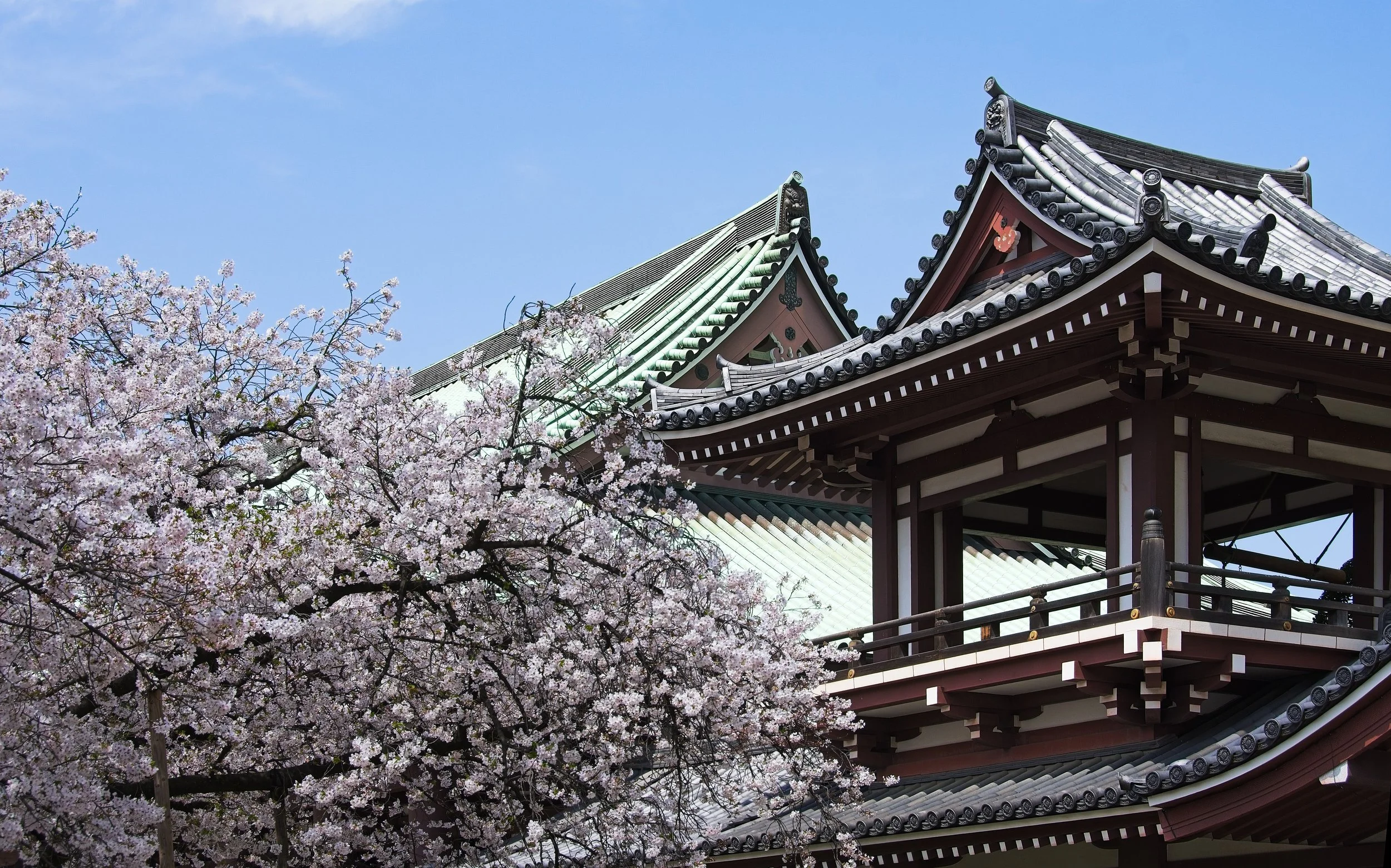
Tochoji
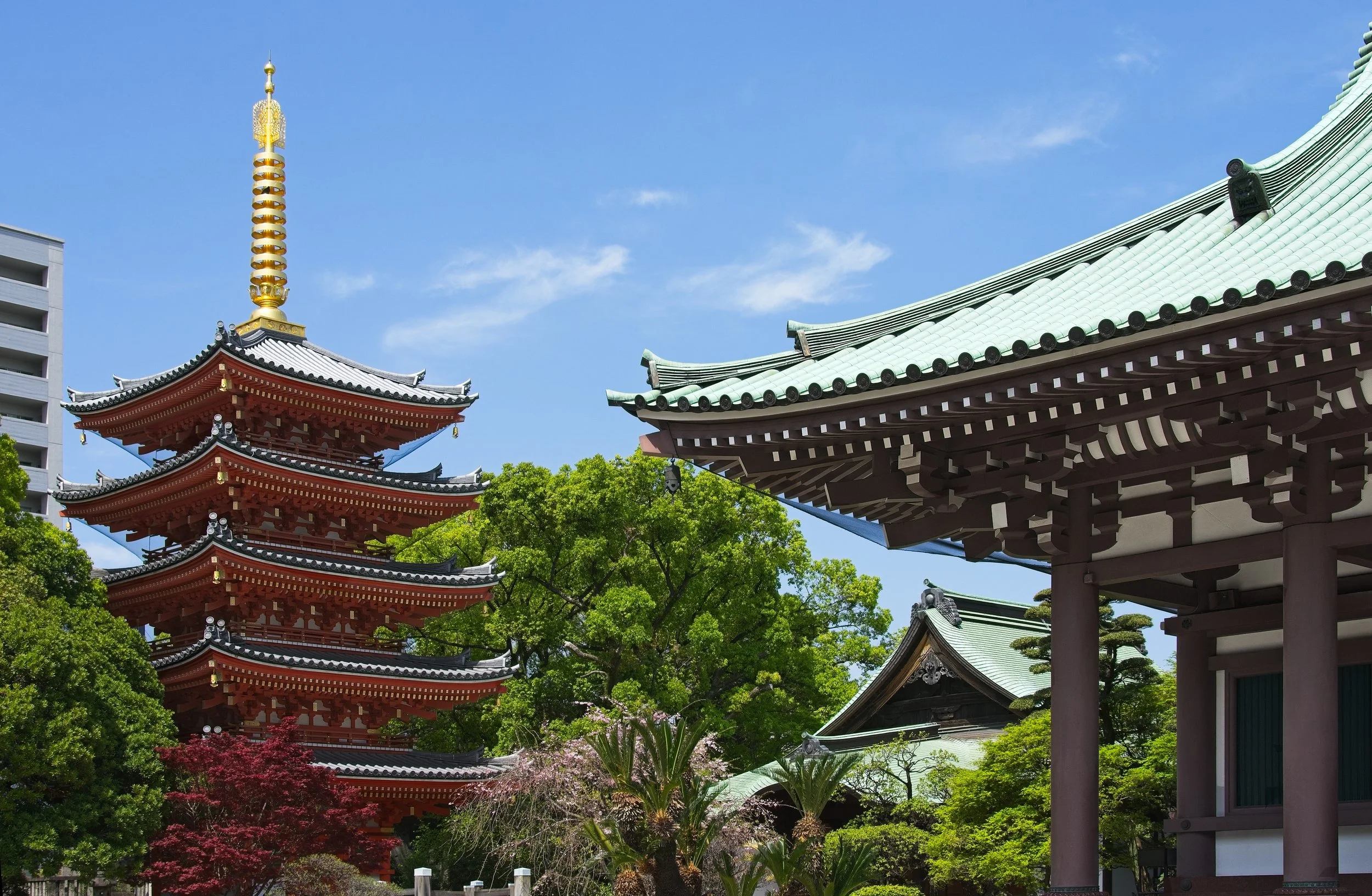
Tochoji
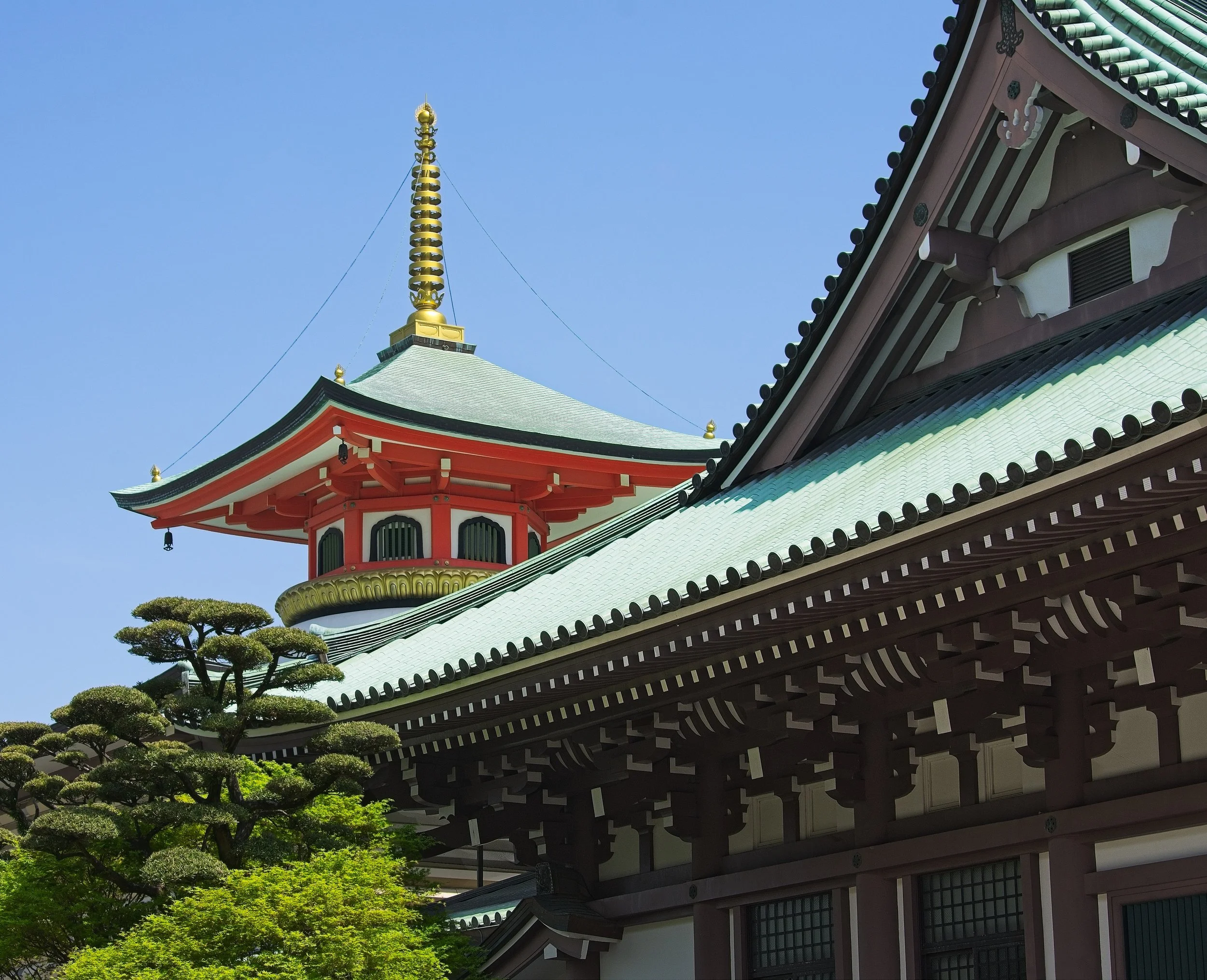
Tochoji
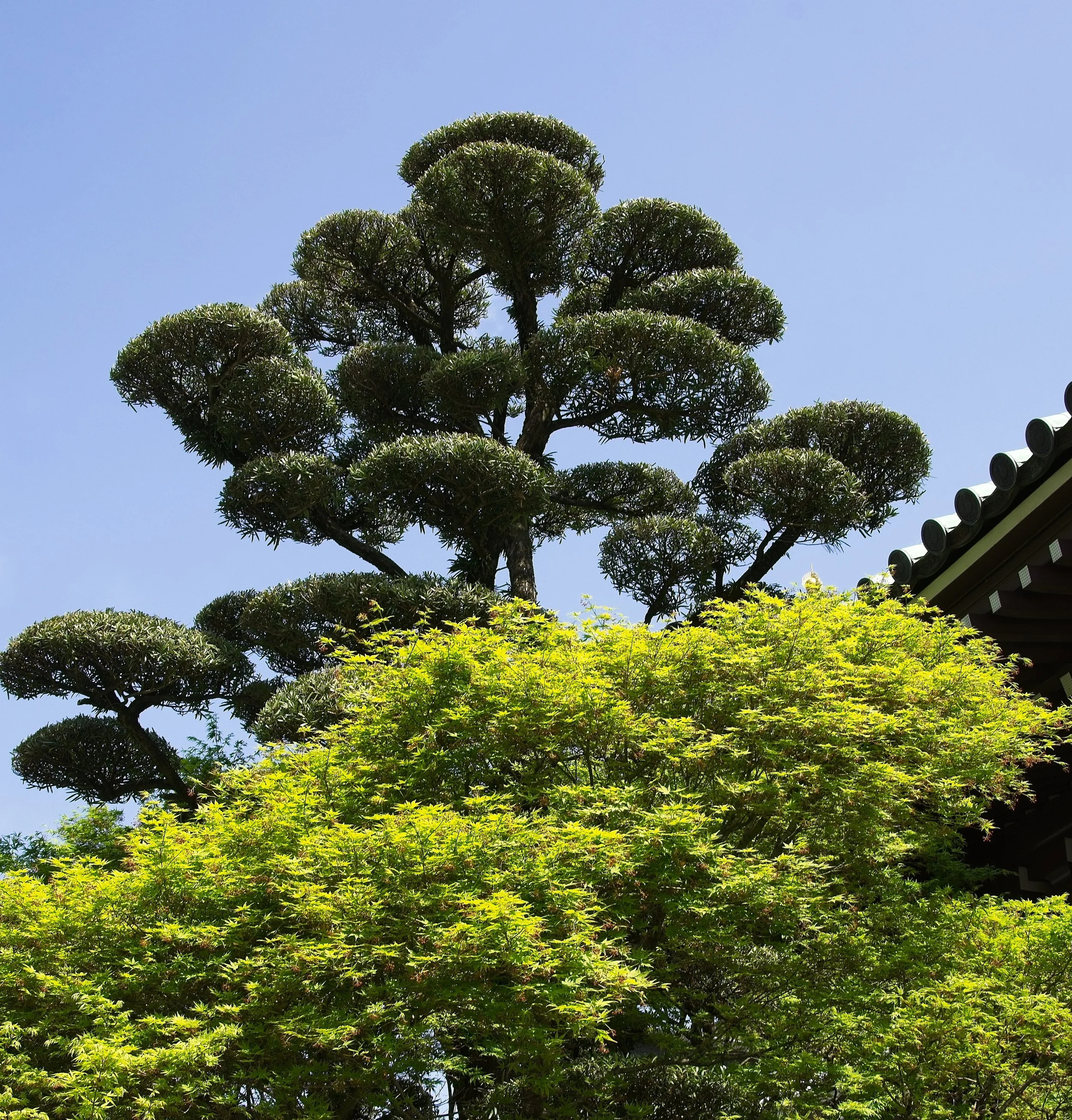
Tochoji
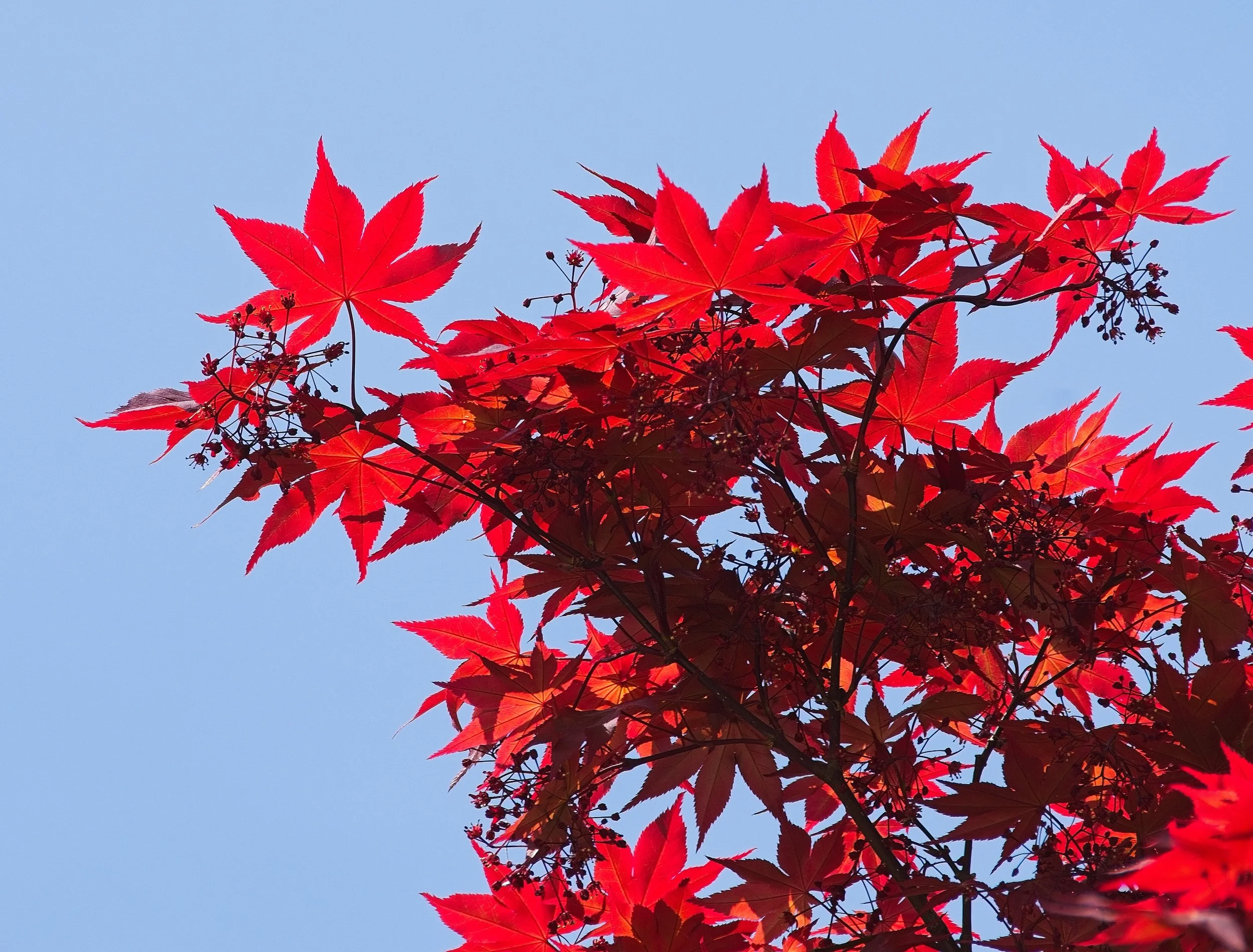
Tochoji
SHRINES
After leaving Tochoji, I headed south to check out a couple of shrines. The first was the Kushida Shrine, which was fine but nothing special. I then proceeded to the Sumiyoshi Shrine, a much more photogenic entity with the typical orange painted buildings. I then headed east to get back to the station and my train home.
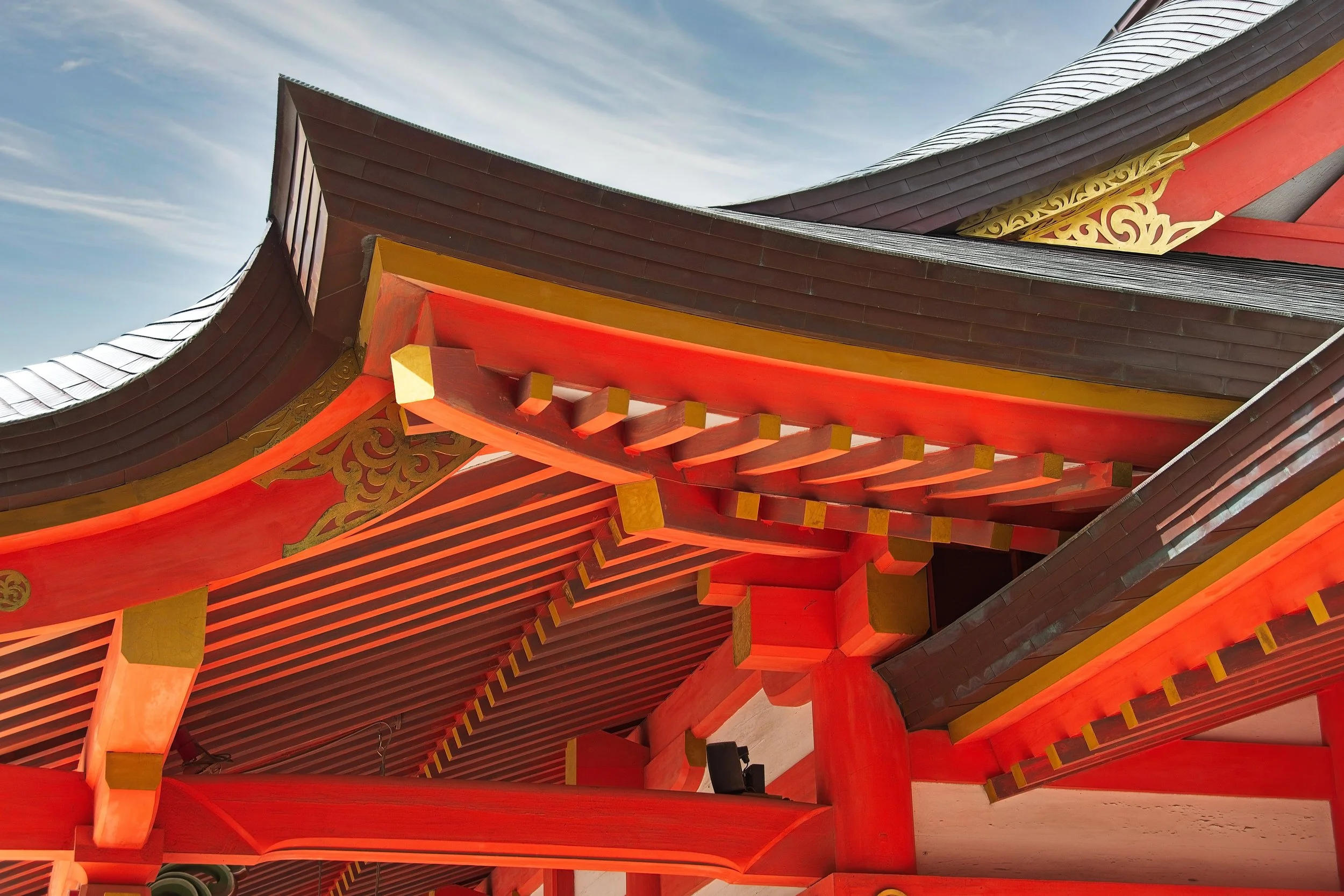
Sumiyoshi Shrine
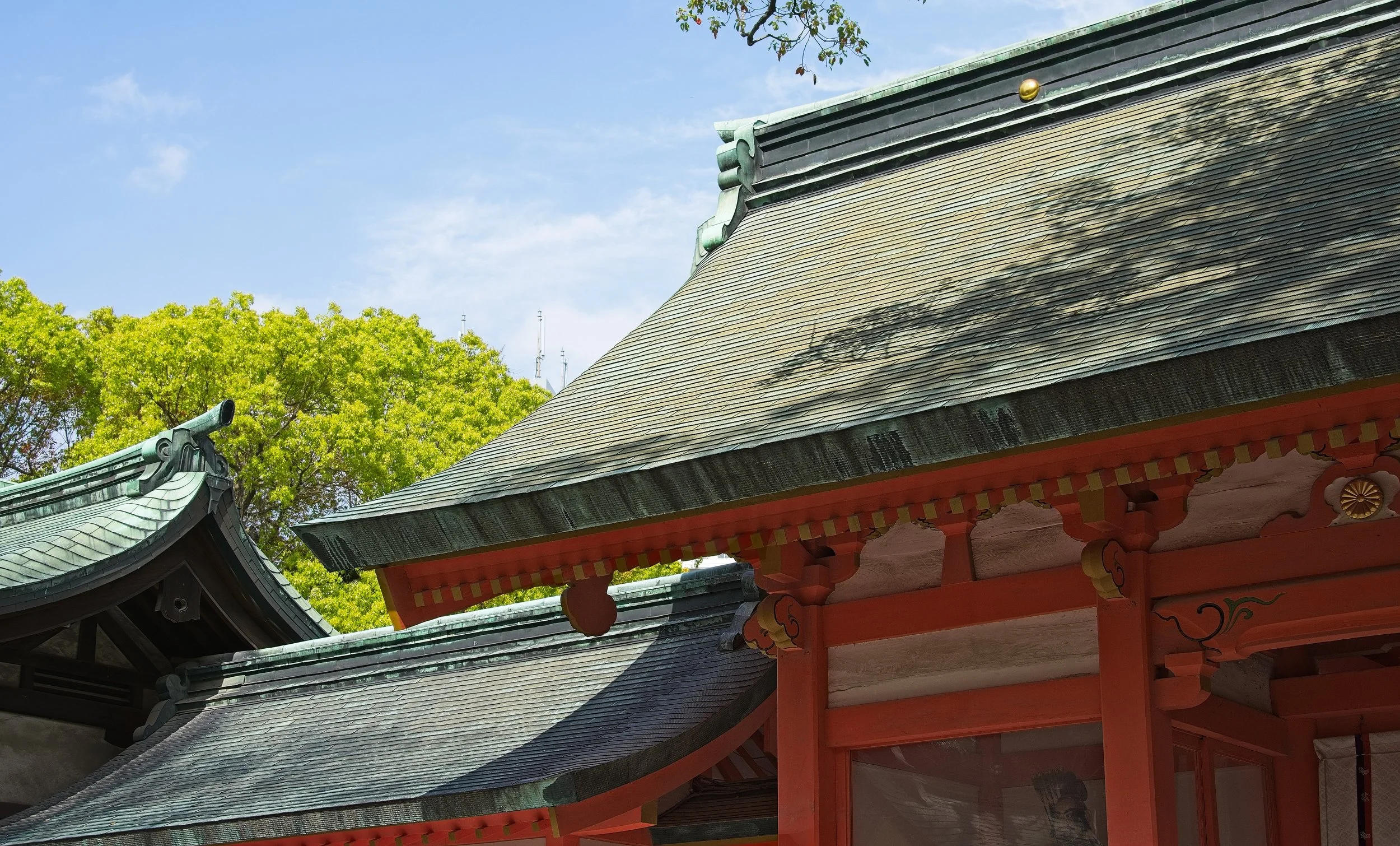
Sumiyoshi Shrine
CONCLUSION
Once again we find that a little research and a willingness to walk and just look around you can open up new and beautiful sights, even in places where you might not be expecting them. For the Japanese, Fukuoka’s attractions are its large acquarium and the Canal City shopping centre, but for those of us who want a little more history and culture, the city does not disappoint. In fact, there are many other worthy temples and shrines in the area if you are prepared to venture out a little further, particularly the large and important Dazaifu Tenmangu shrine.
Note : all photos by me and my old Nikon D7200, ©2026